How Removing One Tree Helps the Others — New Caney, TX
Removing one tree in New Caney can save the rest of the stand. Here's how thinning, disease control, and less competition help your remaining trees thrive.
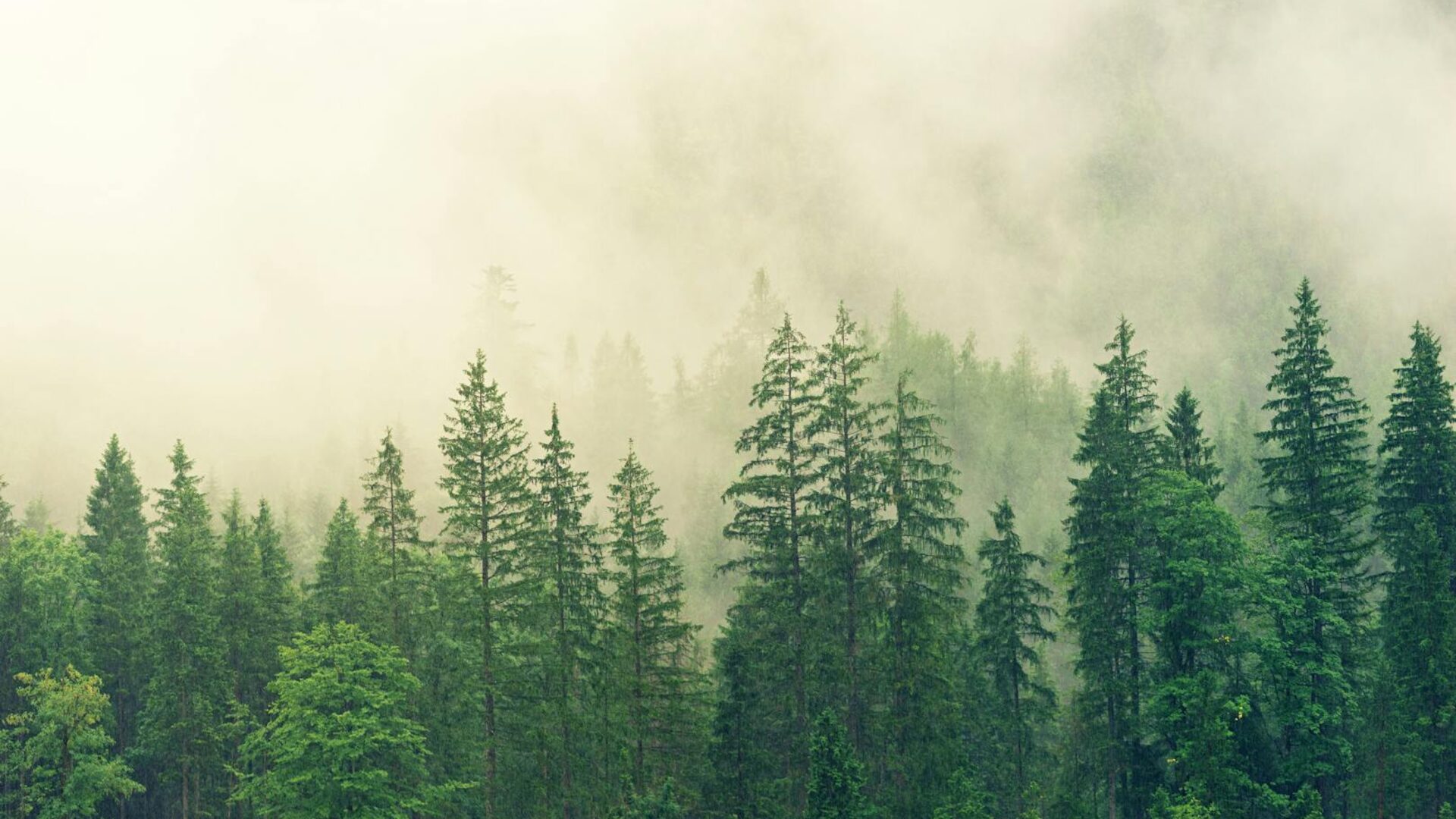
It sounds backward. You cut a tree down to help your trees. But on a lot of New Caney properties, that’s exactly the right move. Removing one tree is sometimes the single best thing you can do for the six around it.
New Caney sits in the wooded eastern edge of Montgomery County, out toward Lake Houston, where lots run big and the pines run thick. A lot of these properties grew up wild before the house went in. Loblolly pines packed close together, hardwoods squeezed underneath, everything reaching for the same light and the same water. When a stand gets that crowded, the trees don’t all win. They compete, and some lose slowly.
Here’s how pulling one tree can turn the whole group around.
Less competition for light, water, and root space
Trees fight each other underground where you can’t see it. In a tight New Caney stand, root systems overlap and pull from the same soil, and in our sandy ground water drains fast during a dry August. Above ground, the tallest canopies shade out everyone below.
Take out one crowded or already-struggling tree and the neighbors get room to breathe. More sun reaches the mid-level canopy. Roots have more soil to draw from. You’ll often watch the remaining trees fill out and green up over the next couple of seasons, putting on growth they couldn’t manage while boxed in. Proper thinning is a real forestry practice, not a shortcut. Foresters do it on purpose for exactly this reason.
Stopping a pest before it spreads
This is the urgent one around here. The Ips engraver beetle and the southern pine beetle both work East Texas pines, and New Caney has plenty for them to work. These beetles go after trees that are already stressed, then spread to the healthy ones nearby.
A pine that’s fading fast, dropping reddish-brown needles from the top down, with popcorn-sized pitch tubes on the bark, is often already infested. Leave it standing and it becomes a nursery. The beetles finish it and move to the next pine down the line. Getting an infested tree cut and hauled off promptly breaks that chain. Sometimes it’s the difference between losing one tree and losing a whole back corner of the property.
Cutting off disease at the source
Beetles aren’t the only thing that jumps from tree to tree. Root rots and fungal diseases can travel through the soil and through grafted roots where trees grow close. Oak wilt moves that way too, tree to tree through connected roots.
When a tree is dying from a root disease, removing it, and sometimes cutting the root connection to its neighbors, can stop the problem from marching across your yard. A crew that knows what to look for can tell the difference between something contagious and a one-off.
Getting weight and hazard off the healthy ones
Not every removal is about disease. Sometimes a tree is simply in a bad spot, leaning hard over its neighbors, or dead and hung up in the branches of a live tree next to it. When that happens, the failing tree is a threat to the good one.
Watch for these before they turn into storm damage:
- A dead or leaning tree resting its weight against a healthy neighbor
- A tree cracked at the trunk that will come down on what’s below it
- Deadwood high in one tree that keeps falling and wounding the trees underneath
Clear the hazard and the healthy tree keeps its canopy intact instead of taking a hit in the next Gulf storm that rolls through.
How to know which tree to cut
This is where a walk-through pays off. The goal isn’t to clear the lot. It’s to find the one or two trees whose removal helps everything else, and to leave the keepers alone. Cut the wrong tree and you can open a healthy stand up to wind damage or scorch. Cut the right one and the rest of the yard thanks you for years.
If your New Caney property feels overgrown, or you’ve got a pine that’s browning out and you’re worried about the ones next to it, reach out to Tree’s 101 for a free estimate. We’ll walk the lot with you, point out what’s healthy and what’s dragging the rest down, and give you a straight recommendation. We serve New Caney and the greater Houston area, and we’re happy to tell you when the smartest move is to leave a tree standing.
Tree on your mind? Let's take a look.
Family-owned. Licensed and insured. Owner-supervised. We respond within 24 hours.