Trimming Dead Branches Safely in Friendswood, TX
Cutting a dead branch wrong can rot a healthy Friendswood tree from the wound in. Learn where to cut, the 3-cut method, and how to protect your oaks.
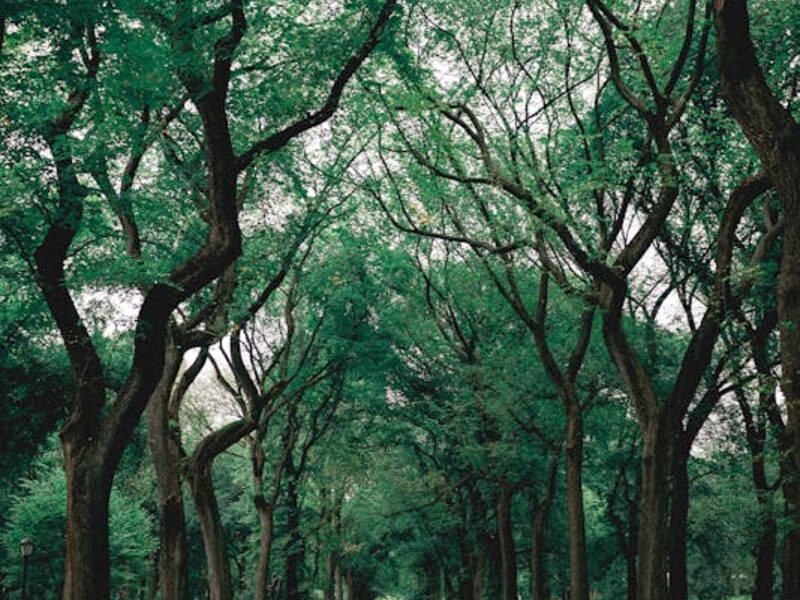
Friendswood earned its reputation on its trees. The old live oaks arching over the streets, the pecans and pines in the bigger lots, the shade that makes a July afternoon bearable. When one of those trees throws a dead limb, the instinct is to grab a saw and take it off. Fair enough. But a dead branch cut the wrong way can send decay straight into a perfectly healthy tree, and that’s how people accidentally kill the thing they were trying to help.
Removing dead wood is one of the best things you can do for a tree. The wood is already gone. Getting it off relieves weight and closes the door on rot. You just have to cut in the right place, the right way.
Cut at the collar, never flush to the trunk
Every branch meets the trunk at a slightly swollen ring of bark. That’s the branch collar, and it’s the single most important thing to find before you cut. The collar holds the tree’s natural defense chemistry. When you cut just outside it, the tree seals the wound over on its own in a season or two.
Two ways people get this wrong:
- Flush cutting: sawing tight against the trunk and slicing through the collar. It leaves a bigger wound the tree can’t close, and rot walks right into the trunk. This is the one that kills otherwise healthy trees.
- Leaving a long stub: cutting too far out. The stub dies back, never seals, and becomes a perch for decay and boring insects.
Aim for the sweet spot just past the collar. On a dead branch the collar is often easy to see, because living tissue at the base may still be growing a raised ring around the dead wood. Cut just outside that ring and leave it be.
Use the three-cut method on anything heavy
For a dead limb bigger around than your wrist, never try to take it in one pass. A heavy branch will split and peel a long strip of bark down the trunk as it falls, and now you’ve got a wound far worse than the branch ever was. The fix is three cuts:
- Undercut. About a foot out from the trunk, saw upward a third of the way through the underside of the limb.
- Top cut. An inch or two farther out, saw down from the top until the limb drops free. Because of that undercut, it snaps clean instead of tearing bark toward the trunk.
- Final cut. Now you’ve got a light stub. Cut it off just outside the collar, and the tree can seal it.
That sequence keeps the weight of the falling wood from doing damage the tree can’t recover from.
Don’t take too much, and mind the timing
Even when every branch is dead, don’t strip a huge share of the canopy in one go. A tree recovering from a rough Gulf-coast summer needs its living leaves to feed itself. If there’s a lot to remove, spread it over more than one season. And if a branch is only partly dead, cut back to living wood at a healthy side branch rather than removing the whole limb.
Season matters more here than most people realize, because Friendswood is heavy live-oak country and this area sits inside oak wilt territory. Oak wilt is a fungal disease that spreads through fresh cuts, carried by beetles drawn to the wound, and it can move underground root-to-root through a whole street of oaks. Two rules protect your trees:
- Avoid pruning oaks in the high-risk window (roughly February through June) unless a limb is an outright hazard.
- Paint every fresh cut on an oak, dead limb or not, with pruning sealer or even flat latex paint, right away. Oaks are the one tree where sealing the wound helps, because it hides the fresh cut from the beetles that spread the disease.
Clean your saw between trees, too. Wiping the blade with rubbing alcohol keeps you from carrying disease from a sick tree to a healthy one.
Know when to hand it off
Low, small dead branches you can reach with both feet on the ground are a fine weekend job. The moment you’d need a ladder, a pole saw over your head, or you’re working anywhere near the power line, stop. That’s where the real injuries happen, and a big overhead dead limb is exactly the kind that fails at the worst moment. It’s cheaper to have us take it than to fix a torn-open trunk or a trip to the ER.
We’re family-owned, licensed and insured, and we handle careful dead-limb pruning on live oaks, pecans, and pines across Friendswood, Pearland, League City, and the greater Houston metro. We cut at the collar, we paint the oaks, and we clean up after ourselves.
Book a free estimate → — we’ll take the risky limbs and leave your tree healthier than we found it.
Tree on your mind? Let's take a look.
Family-owned. Licensed and insured. Owner-supervised. We respond within 24 hours.