What a Dead or Dying Tree Looks Like — Humble, TX
Humble and Kingwood sit in the pines near Lake Houston, and pines fail differently than hardwoods.
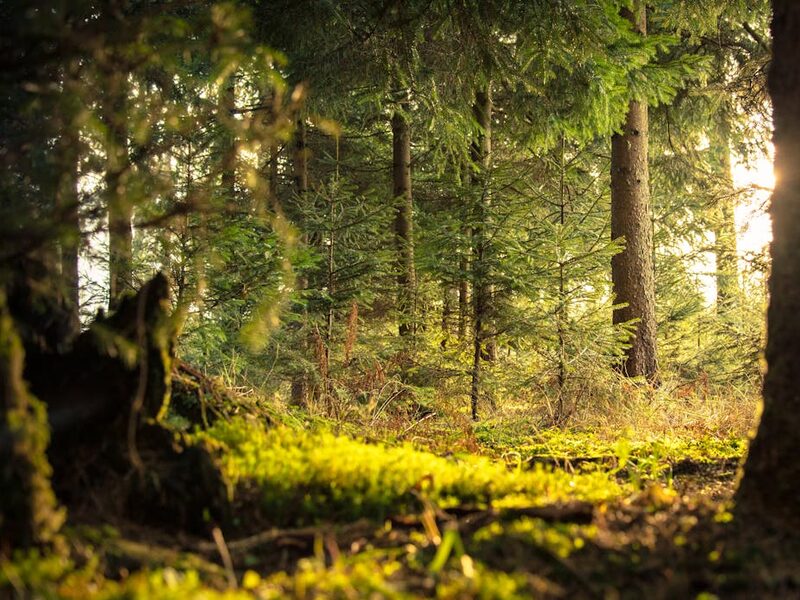
Humble and Kingwood grew up in the pines. Kingwood didn’t call itself the Livable Forest for nothing, and the loblolly pines that shade these neighborhoods near Lake Houston are a big part of why people love living here. They’re also a tree that hides trouble well, then fails fast. A pine can look green from the driveway and be weeks from coming down.
So here’s how to actually read the trees on your property, with an eye on what fails around here specifically.
Pines tell you before they go
A dying loblolly rarely drops dead overnight. It gives signals, and if you know what you’re looking at you can catch it while there’s still a safe way to take it down instead of after it’s through the roof.
Watch the needle color first. Healthy pine needles are green. When a whole tree, or a big section of it, fades to yellow-green and then to red-brown, that’s the tree dying from the top down or one side at a time. A pine that has gone fully rust-colored is dead. It is not coming back, and now it’s just a matter of when it falls.
Then look at the trunk. Pine bark beetles, mostly the Ips species around here, are the number one killer of stressed pines in the Humble area. The tell is popcorn-sized blobs of hardened sap, called pitch tubes, dotting the bark. You may also see fine reddish sawdust in the bark crevices or piled at the base, and lots of small round exit holes. Beetles hit trees that are already stressed by drought, flooding, construction damage, or lightning, and this area has handed pines plenty of all four. Once a tree is heavily infested, it’s done, and the beetles move to the next stressed pine nearby. That’s why a dead pine near healthy ones isn’t just an eyesore. It’s a launching pad.
Lake Houston flooding stresses pines in a quieter way. Loblolly roots sit fairly shallow, and when soil stays saturated for long stretches the roots suffocate and rot. A pine that survived a flood may not show it for a year, then start browning as the damaged roots give out.
Hardwoods die with different tells
Humble has plenty of oaks, sweetgums, and hackberries mixed in with the pines, and they show decline in their own way.
- Bare branches in the growing season. If it’s late spring and part of the canopy never leafed out while the rest did, that section is dead. A little deadwood is normal on a big tree. A large dead limb, or a whole dead side, is not.
- Bark falling off in sheets, with smooth dead wood underneath. Bark protects the tree. When it sloughs off in patches, the wood beneath is already dying.
- Mushrooms or shelf fungus at the base or on the trunk. Fungal conks growing out of the wood mean the tree is rotting from the inside, often in the roots or the lower trunk where it matters most for stability. The outside can still look leafy while the core turns to punk.
- Cracks, cavities, and hollow spots. A vertical crack running down the trunk, or a cavity where a limb tore out, is a structural weak point. Tap around it. A hollow, drum-like sound means the wood inside is gone.
The lean is the one people misread
A tree that has always leaned the same amount, with straight upward growth above the lean, is usually stable. It grew that way. The dangerous lean is the new one. If a tree started tilting after a storm, or you notice the soil on one side of the base heaving up or cracking, the roots are pulling loose from the ground. That tree can go with the next good wind, and it goes in the direction it’s already leaning. Fresh lean plus lifting soil is a call-today situation.
Why catching it early is the whole game
A tree you take down on purpose comes down where you want it, in pieces, on a calm day. The same tree that fails on its own picks its own direction, and it’s usually into a fence, a roof, a car, or the power lines that thread through these wooded lots. Dead trees also don’t get cheaper or safer to remove as they rot. The wood gets more brittle and unpredictable, which makes the job harder and riskier the longer it waits.
Insurance is the other piece. A healthy tree that a storm knocks down is generally covered. A tree you knew was dead and let stand is a much harder claim to make.
If you’ve got a pine that’s browning, a hardwood dropping big limbs, or a tree that’s started to lean near your house in Humble or Kingwood, get a free estimate. We’ll come out, tell you whether it’s dying or just ugly, and lay out the options. If it’s fine, we’ll say so.
Get a free dead-tree assessment in Humble:
Tree on your mind? Let's take a look.
Family-owned. Licensed and insured. Owner-supervised. We respond within 24 hours.