Pro vs DIY Tree Trimming in Missouri City, TX
Good trimming keeps a Missouri City oak healthy for decades. Bad cuts invite rot and oak wilt.
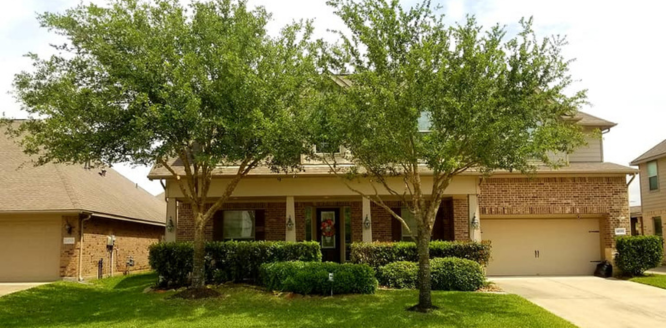
A lot of Missouri City yards are anchored by big live oaks and water oaks, the kind that came with neighborhoods like Quail Valley and Sienna and have been throwing shade for decades. Trimmed right, a tree like that stays strong and beautiful for another generation. Trimmed wrong, it starts a slow decline you won’t notice until it’s serious. The technique genuinely matters, so let’s get into what good looks like, and where the DIY line sits around here.
The one rule that matters most: cut at the collar
Every proper pruning cut comes back to one spot on the tree, the branch collar. That’s the slightly swollen ring of bark where a branch meets the trunk or a larger limb. Inside that collar is the tissue the tree uses to seal off the wound and grow over it.
Cut just outside the collar, leaving it intact, and the tree closes the wound cleanly. Two mistakes wreck this. A flush cut, made tight against the trunk, removes the collar and leaves a wound the tree can’t seal, so rot walks straight into the trunk. A stub cut, left too long out past the collar, leaves dead wood that dies back and rots toward the tree. Right at the collar, no closer, no farther. That’s the whole ballgame on most cuts.
For any branch bigger than an inch or two, use the three-cut method so the branch doesn’t tear a strip of bark off the trunk as it falls:
- First cut: an undercut a foot out from the collar, a third of the way up through the branch.
- Second cut: from the top, an inch or two past the undercut, letting the branch drop clean.
- Third cut: remove the remaining stub back at the collar.
That sequence keeps the weight of the falling limb from ripping the bark down into the trunk, which is one of the most common ways a DIY job leaves a tree worse than before.
The Missouri City wrinkle: oak wilt and timing
One local piece a lot of homeowners miss, and it’s a big one in Fort Bend County: Oak wilt is a fungal disease that kills oaks, and it spreads partly through beetles drawn to fresh pruning wounds. The disease is active in this part of Texas, and the beetles are busiest in spring.
So the rule for oaks specifically: avoid pruning oaks from about February through June. Do your oak trimming in the cooler months or the heat of mid-to-late summer, when the beetles aren’t around and the tree seals faster. If a storm cracks an oak limb during the danger window and you have no choice but to cut, paint the wound over immediately with pruning sealer. That’s the one time sealing a cut is the right move. On any other tree, and any oak cut outside the danger season, skip the paint and let the tree close the wound on its own.
What good trimming is actually for
Real pruning has a purpose behind every cut. Clearing deadwood so it doesn’t fall. Lifting low limbs off the roof and driveway. Thinning a dense canopy so wind passes through instead of catching it like a sail, which matters when hurricane season rolls up from the Gulf. Removing crossing branches that rub each other raw.
What it is not is topping. Cutting the whole crown back to stubs is the single worst thing you can do to a mature tree. It sends up a mess of weak, fast-growing shoots that are poorly attached and break easily, it exposes bark to sunscald, and it opens huge wounds that rot. A topped tree becomes more dangerous, not less. Any outfit that suggests topping a healthy oak should be shown the road.
Where DIY ends
Plenty of light trimming is fair game for a homeowner. Small branches you can reach with both feet on the ground, deadwood on a young tree, shaping a shrub. If you can make the cut without a ladder and without a chainsaw over your head, and the branch is wrist-thick or less, have at it.
The job becomes a pro call when the cuts are overhead, when a chainsaw and a ladder enter the picture, when limbs hang over the roof or the fence or a power line, or when the tree is a mature oak that needs real structural work. Those are the situations where people get hurt and where a wrong cut costs the tree years. A ladder plus a running saw plus a heavy limb is how weekend projects turn into ER visits.
If you’ve got a tree in Missouri City that needs more than a hand-pruner, or you want it done right the first time and inside the oak wilt calendar, get a free estimate. We’ll walk the property, tell you what needs cutting and what to leave alone, and time the oak work so the disease risk stays low.
Get a free tree-trimming estimate in Missouri City:
Tree on your mind? Let's take a look.
Family-owned. Licensed and insured. Owner-supervised. We respond within 24 hours.