When to Remove a Tree in Spring, TX — and Root Damage
Straight answers for Spring, TX on roots, foundations and slab cracks. What shrink-swell clay actually does, and when roots are truly the culprit.
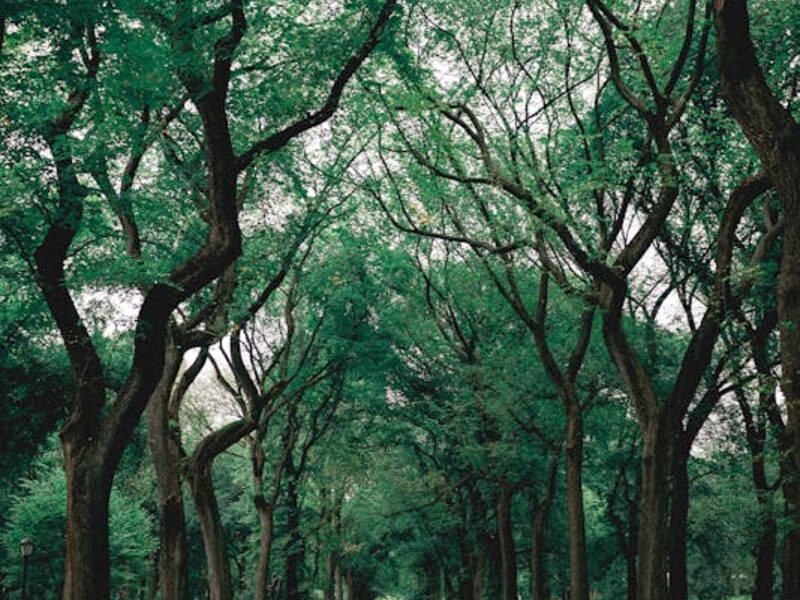
If you’ve got a big tree close to the house in Spring, sooner or later you wonder about the roots. Are they cracking the foundation? Lifting the driveway? Getting into the sewer line? The honest answer is that roots can cause real damage here, but not always the way people think, and our Northwest Harris County clay is a bigger part of the story than most homeowners realize.
What our clay actually does
Spring sits on Gulf Coast expansive clay. That soil swells when it’s wet and shrinks when it’s dry, and it moves a lot. A slab foundation rides on top of that moving ground, and most of the cracked-slab trouble in this area traces back to moisture swings in the clay itself, not a root pushing through concrete.
Here’s where a tree comes in. A mature oak or elm drinks a huge volume of water in the summer. If that tree sits right next to the house through a hot, dry Texas summer, it can pull the soil under the nearest edge of the slab drier than the rest, and that corner settles. The cracks that follow look like root damage, but the root didn’t shove the foundation. It dried the clay unevenly and the clay did the moving. This is why foundation issues near trees show up most in drought years and calm down after a wet winter.
Where roots genuinely cause damage
Roots do plenty of real harm, just usually to the flatter, lighter stuff:
- Sidewalks, driveways, and patios. Surface roots from live oaks and water oaks lift and crack flatwork. It’s cosmetic and a trip hazard, rarely structural, but it’s real.
- Sewer and drain lines. This is the big one people miss. Roots don’t break a sound pipe, but they find any existing crack or loose joint and grow in chasing the water. Older clay-tile sewer lines in established Spring neighborhoods are a favorite target. Repeated backups and slow drains are the tell.
- Shallow utilities and irrigation. Roots wrap and crush shallow sprinkler lines and low-voltage runs over time.
- Retaining walls and pool decks. A big root under a wall or a pool coping can heave it as the tree grows.
Notice what’s not high on that list: your actual slab. A root can widen a crack that’s already there, but a healthy foundation on stable moisture usually isn’t split open by a root muscling through it. Diagnosis matters, which is why we don’t jump straight to “cut the tree down.”
So when does the tree actually need to go?
Removal for root reasons is the right call in a shorter list of situations than people expect. It’s genuinely worth it when:
- The tree is too close to the foundation for its mature size, a large species planted within a few feet of the slab, and it’s a repeat contributor to seasonal foundation movement.
- Roots are confirmed in the sewer line and the tree is the source, and root pruning or a pipe fix won’t hold because the tree will just find it again.
- The tree is also unhealthy, leaning, or storm-compromised, so removal solves two problems at once.
- Hardscape damage is severe and ongoing, and root pruning would take so much of the root plate that the tree becomes unstable anyway.
Plenty of the time there’s a better answer than removal. A root barrier installed between the tree and the structure redirects growth downward. Selective root pruning by someone who knows how much a tree can lose without toppling can protect a driveway or a line. Smart summer watering near the foundation keeps the clay from drying out unevenly. We’d rather save a good shade tree with the right fix than talk you into cutting it down. In Spring’s heat, mature shade is worth real money on your cooling bill.
But when a tree is the wrong tree in the wrong spot, and it keeps costing you in repairs, taking it out on a calm day is cheaper and safer than waiting for it to fail into the house.
How to tell which one you’ve got
You can’t diagnose this from the sidewalk. A camera down the sewer line settles the pipe question. A look at the crack pattern, the tree species and distance, and whether the trouble tracks with dry summers tells us whether it’s the roots or the clay. We come out, look at the whole picture, and give it to you straight, including when the answer is “leave the tree alone and fix the pipe.”
We’re a family-owned, licensed and insured tree service serving Spring and the Greater Houston area, and the owner is on every job. If you’ve got a tree near the house you’re worried about, get eyes on it before you spend money on the wrong repair.
Get a free tree assessment in Spring, TX:
Tree on your mind? Let's take a look.
Family-owned. Licensed and insured. Owner-supervised. We respond within 24 hours.