Why Fall Is Tree-Planting Season in Houston
Roots keep growing through a Houston winter, which is why a tree planted in October beats one planted in April. How to plant it so it lives.
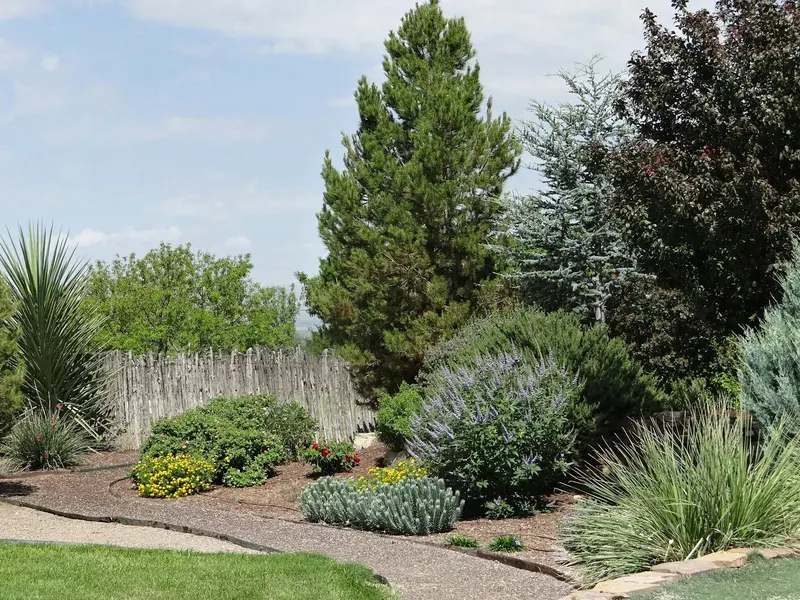
If you lost a tree this year, or you have been staring at the bare west side of the house all summer thinking about shade, the calendar is about to work in your favor. Fall is planting season on the Gulf Coast, and the reason is simple: roots keep growing all winter here, so the tree gets months to settle in before it has to face a Houston July.
Most people plant in spring because that’s when the nurseries look good and the weather makes you want to dig. A spring-planted tree gets a few weeks of root growth before the heat arrives. A fall-planted tree faces that same summer with roots that have been working since October.
Why the roots matter more than the leaves
Above ground, a tree planted in fall looks like it’s doing nothing. The roots aren’t. Texas A&M Forest Service silviculturist Eric Taylor puts it plainly: roots are often actively growing during the winter months, and that helps the tree get acclimated to its new location. The larger the root system going into summer, the better off the tree will be. He prefers early fall for exactly that reason.
That’s the whole argument. Roots grow whenever the soil is above about 40 degrees, and Houston soil rarely stays colder than that for long, so the tree spends November through March building the thing it needs most to survive August: reach.
What to plant
Pick a tree for the spot, not a spot for the tree. The Forest Service advice is to choose something that grows well in your part of the state and has room, both up and out, for the canopy and roots it will have in twenty years. The oak that looked perfect in a five-gallon pot becomes a problem when it is over the roof and under the power line.
Before you buy:
- Natives and proven local performers first. Live oak, bur oak, cedar elm, bald cypress and Shumard oak all sit on the City of Houston’s own tree lists, and they handle Houston clay, wet winters and dry summers. The Texas A&M Forest Service tree selector at texastreeplanting.tamu.edu will narrow it down by county and by what you want the tree to do.
- Mix it up. If your neighborhood is wall-to-wall live oaks, plant something else. Oak wilt spreads tree to tree through grafted roots, and a street of one species is a street with one problem. We wrote about oak wilt and how it moves through a neighborhood.
- Shade where it pays. A shade tree on the west or southwest side of the house does more for a summer electric bill than anything else you can plant.
- Size the mature tree to the site. Small lot, close to the house, near a line: pick a small tree.
How to plant it so it lives
A lot of trees that die in their first two years were planted wrong, not chosen wrong. The Forest Service planting guidance is short and worth following to the letter.
Dig wide, not deep. At least twice as wide as the root ball, and no deeper. A tree set too low is a common planting mistake, and it is a slow death.
Find the root flare. That’s the spot where the trunk widens into the roots. It goes at or slightly above ground level. If the tree came from the nursery with soil piled up the trunk, scrape it back until you find the flare, then set the tree by that, not by the top of the pot.
Strip everything off the root ball. Wire, twine, the container, any non-biodegradable wrap. Circling roots on a container tree can be cut top to bottom in a few places so they grow outward.
Backfill with the dirt that came out. The Forest Service is specific: same soil, no amendments. Don’t dress it up. A hole full of rich potting mix surrounded by native clay becomes a bathtub the roots never leave.
Don’t fertilize. Taylor warns that fertilizing a newly planted tree forces growth it cannot support and burns through the reserves it needs to handle transplant stress.
Mulch two to three inches deep, and keep it off the trunk. Out to the edge of the hole or beyond, with a bare ring around the bark. The mulch volcano piled against the trunk that you see all over town holds moisture against the bark and causes the rot it looks like it is preventing.
Prune almost nothing. Dead, broken or diseased branches only. Cutting healthy canopy at planting slows root growth and delays establishment.
Stake only if you must. Most small trees stand on their own. If a larger tree needs support, use wide straps that will not cut the bark, and take the stakes out within a year.
Watering, which is where most new trees are lost
A new tree needs six to eight gallons of water per inch of trunk diameter, per week, according to the Forest Service. For a two-inch-caliper tree that is twelve to sixteen gallons, delivered slowly. A soaker hose looped just outside the root ball, run until the water has soaked ten to fifteen inches down with no runoff, does the job.
Keep that up for at least the first two years, and don’t overwater. Winter rain helps, but a dry January is still a dry January. Through the first summer, expect to water every three to four days in the hot stretch. Skip the sprinkler: it wets the top inch and the leaves, which trains roots shallow and invites fungus.
If you are replacing a tree that came out
First, don’t plant on top of the old stump. Grinding it out and letting the ground settle gives the new tree a clean start. We covered what stump grinding involves and why it matters.
Second, think about why the old tree came out before you put the same species back in the same hole. A tree that failed from root rot in a wet corner will be followed by another one unless the corner drains better or the species changes.
Where we come in
Choosing, sourcing and setting a tree correctly is part of our landscape design and installation work. If you want a shade tree that’ll still be a shade tree in ten years, or a replacement for one you lost this summer, get in touch and we will walk the yard with you. We serve Houston, Conroe, The Woodlands, Spring, Tomball, Cypress, Kingwood, Humble and Katy.
Sources: Texas A&M Forest Service tree planting guidance, and Texas A&M AgriLife Extension guidance on planting shade trees in Texas.
Tree on your mind? Let's take a look.
Family-owned. Licensed and insured. Owner-supervised. We respond within 24 hours.