Pine Needles Turning Yellow This Fall: Normal or Dying?
Loblolly pines shed older needles every fall, and after a dry summer it looks alarming. How to tell normal needle drop from bark beetles in Houston.
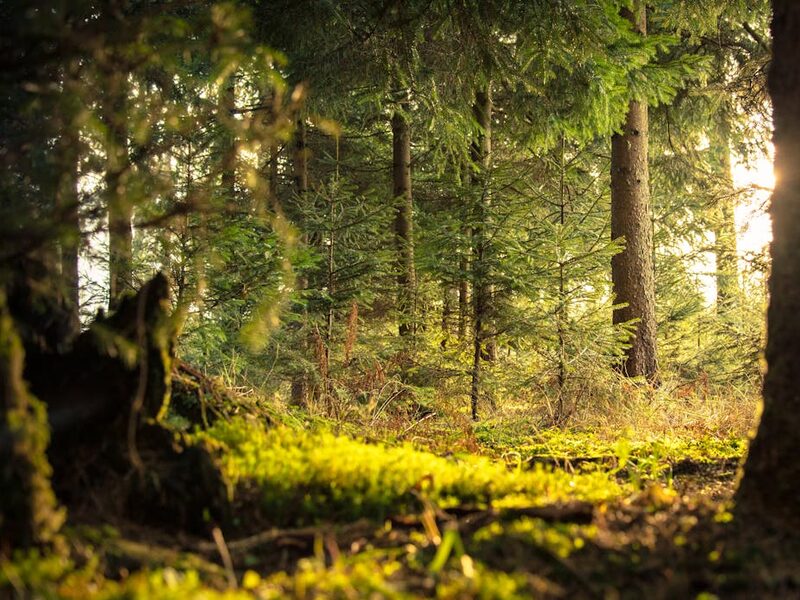
Every September, somewhere between Kingwood and Conroe, a homeowner looks up at a loblolly pine and sees yellow. Not a little. Whole sections of the inside of the tree gone yellow, needles piling up in the gutters, after a summer dry enough to make anyone nervous about anything with roots.
Most of the time that pine’s fine. Pines shed a large share of their older needles every year as winter approaches, and Texas A&M Forest Service says so in as many words. New needles come in the spring.
But a pine can also be dying, and the two look alike from the driveway for a couple of weeks. The difference is where the yellow is and which direction it’s moving.
What normal fall needle drop looks like
A loblolly keeps each set of needles for a year or two and then lets it go. The oldest needles sit farthest back from the branch tips, so that’s where the yellowing shows up first. The pattern on a healthy tree in fall:
- The yellow is on the inside of the canopy. Second-year needles, back along the branches. The tips of the branches, where this year’s growth is, stay green.
- It’s spread through the whole tree fairly evenly, not concentrated at the top or on one side.
- Small yellow or red “flags” scattered through an otherwise green crown. Texas A&M Forest Service describes this as natural in fall, and it happens more after a dry summer.
- Needles from the upper branches lodge on the lower ones, which makes the whole tree look scruffier than it is.
A pine that has a few yellow or red patches scattered through a canopy that is mostly green has a good chance of coming through, according to the Forest Service. Give it water and leave it alone.
After a dry summer, expect more of this than usual. Drought makes second-year needles discolor earlier and heavier. Ugly, not fatal.
What a dying pine looks like
The color change starts at the top or takes over the whole tree. Green to yellow to red, across the canopy, not just the interior needles. In late summer and early fall in this part of Texas, the Forest Service notes that change can run its course in about three weeks. That speed is itself a warning sign.
Pitch tubes on the trunk. These are popcorn-sized blobs of hardened resin, reddish or whitish, dotted up the bark. They are the tree’s attempt to push out bark beetles. Around here the usual culprit is the Ips engraver beetle, which goes after pines already weakened by drought, root damage from construction, fire, hail, or plain old age. The Forest Service calls drought and construction root damage the two most common stresses on yard pines.
Reddish-brown sawdust in the bark crevices or at the base of the trunk. That’s boring dust from beetles working under the bark.
Bark that comes away easily, with winding tunnels on the wood underneath. The Forest Service’s language is direct: if you find galleries beneath the bark, the tree is not going to recover.
And the rule they repeat in every pine bulletin: a red pine is a dead pine. Once all or most of the needles have gone red or brown, the tree is finished, no matter how green it was in June.
For the fuller list of signals a pine gives before it fails, see our dead and dying tree guide for the Humble and Kingwood area.
Why a dry summer makes both patterns worse
Ips beetles rarely kill a healthy pine on their own. They finish off a tree that was already struggling, and drought is the most common thing that gets a pine to that point. So a hot, dry summer produces heavier normal needle drop and a jump in beetle activity at the same time, which is why September pines cause so many phone calls.
Hardwoods run the same way. We wrote about shade trees dropping leaves in August, and the question is identical: is the tree shedding from the inside out, or dying from the top down?
What to do this month
Water it, slowly. Deep, slow soaking at the drip line, not a sprinkler at the trunk. The Forest Service recommends deep watering for any drought-stressed yard tree still showing signs of life, and a pine that is stressed but not infested recovers on water.
Don’t fertilize. Pushing new growth on a stressed tree in fall asks it to spend reserves it doesn’t have.
Stay off the root zone. Compaction from vehicles or equipment parked over the roots adds stress a pine cannot afford right now.
Check the trunk, not just the needles. Pitch tubes and sawdust are the tell, and they show up before the color finishes changing.
Skip the spray. The Forest Service reserves insecticide treatment for individual high-value trees, not a yard full of pines. On a tree that already has beetles under the bark, spraying the outside does nothing.
When to have someone look at it
Call if you see any of these:
- Pitch tubes or boring dust on the trunk
- Yellow or red taking over the top of the tree or an entire side
- A pine that went from green to mostly red in a matter of weeks
- Any dead or dying pine within falling distance of the house, the driveway, or a neighbor’s roof
That last one matters more than people expect. A dead pine doesn’t fall the week it dies. It stands there drying out, and the Forest Service puts it at six to ten months before the wood has decayed enough for limbs to start dropping. That sounds like time to spare until you count forward and land in next spring’s storms. A dead pine near a structure should come down while it is still sound enough to take apart safely.
An infested pine well away from the house can be watched and, if it dies, removed on a calmer schedule. One near the roof is the one to deal with now, before the beetles move to the healthy trees beside it.
If you can’t tell which pattern you’re looking at, have it checked rather than guessed. Ask for a free estimate and we will come read the tree with you. We cover Houston, Kingwood, Humble, Conroe, The Woodlands, Spring, Tomball, Cypress and Katy.
Sources: Texas A&M Forest Service guidance on assessing pine and shade tree damage from drought, and on prevention and control of pine engraver (Ips) beetles.
Tree on your mind? Let's take a look.
Family-owned. Licensed and insured. Owner-supervised. We respond within 24 hours.