Pruning and Hurricane Winds — Deer Park, TX
In Deer Park, the right pruning cut lets a tree flex with hurricane wind instead of snapping. Here's how canopy work saves trees near the ship channel.
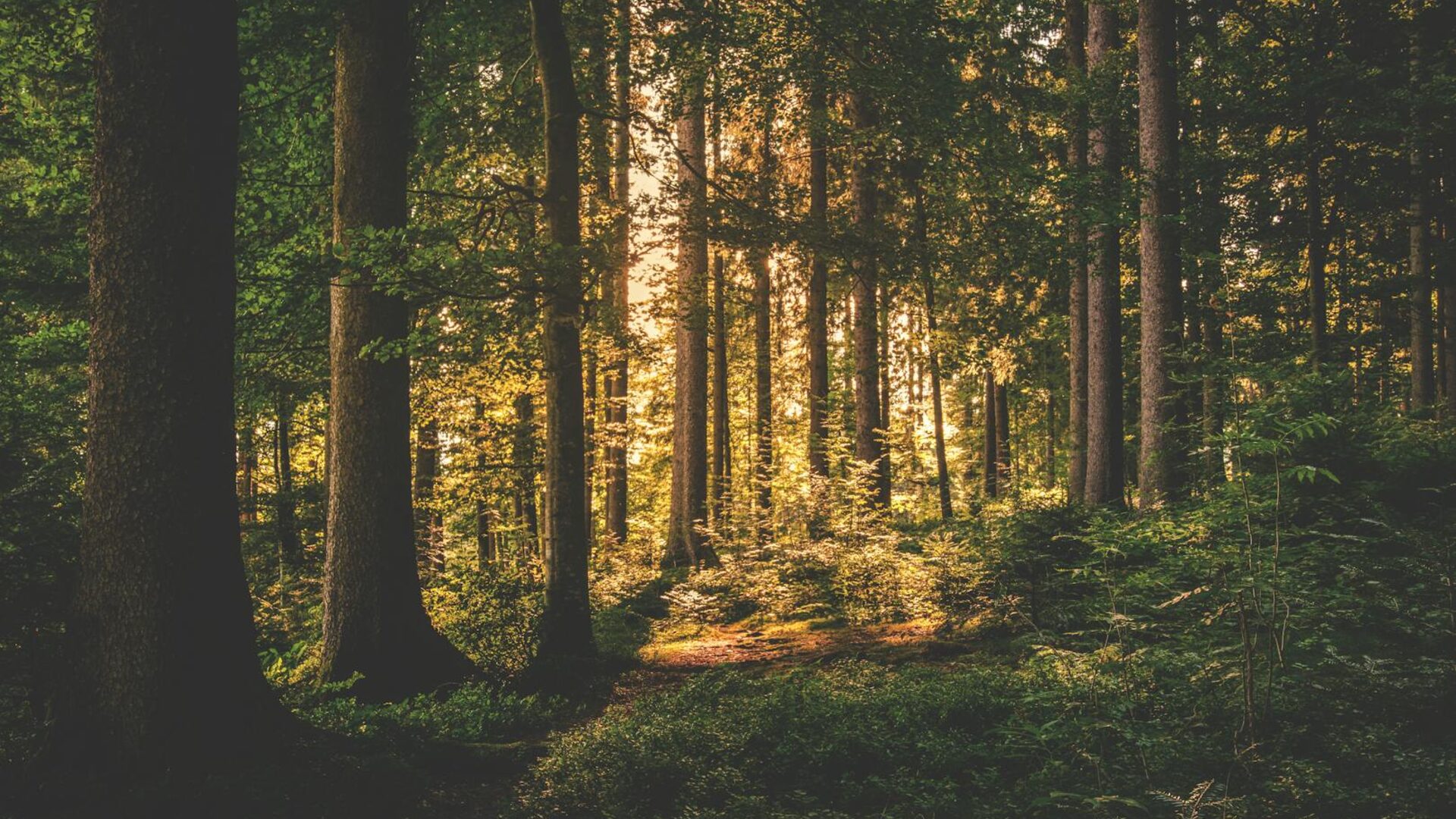
Deer Park sits right where the Gulf sends its worst weather. Flat ground, wide-open exposure off the bay and the ship channel, and not much between you and a hurricane’s leading edge. The live oaks and water oaks that shade these neighborhoods take a beating every time a named storm rolls up the coast.
A tree that survives that wind and a tree that shears apart in it often started the season looking identical. The difference is usually inside the canopy, and a lot of it comes down to how (and whether) the tree was pruned.
Wind moves through a tree, not just against it
Picture the canopy as a sail. A dense, solid crown catches the wind like a bedsheet and the whole load transfers straight down into the trunk and roots. Something has to give. Usually it’s a big limb tearing out, or the root plate lifting on the windward side.
Now thin that same canopy so wind can filter through the gaps. The tree still moves. It sways, it flexes, it sheds some of that energy instead of standing rigid and absorbing all of it. Trees are built to move in wind. The problem in Deer Park isn’t movement, it’s the trees that can’t move because they’re overloaded, lopsided, or carrying structural flaws the wind finds first.
Good pruning works with that motion. It reduces the sail area, takes weight off the ends of long limbs, and clears out the dead and weak wood that would break anyway. Done right, the tree bends and springs back. Done wrong (or not at all), it snaps.
The flaws hurricane wind hunts for
Our clay soils out here hold water and stay soft after the rain a storm brings ahead of it. A saturated root plate plus a fully-loaded canopy is how a healthy-looking oak ends up on its side. Before that, though, the wind tests every weak joint in the tree.
The big one on Deer Park oaks is the codominant stem — two trunks of near-equal size splitting off low, often with bark pinched between them (arborists call it included bark). That union has no real wood knitting it together. In hurricane gusts it splits, and you lose half the tree onto whatever’s below it. Proper structural pruning, started while the tree is young, trains one dominant leader so that split never forms. On a mature tree, we can reduce the weight on the weaker stem or cable the two together to buy it time.
Other flaws we thin out ahead of season: long, heavy horizontal limbs with all their weight at the tip, deadwood hung up in the crown, and crossing branches that rub each other raw and rot at the wound.
What good storm pruning is, and isn’t
Here’s where people get burned. The wrong answer to hurricane worry is topping — hacking the whole canopy back to stubs. It looks like you took the wind load off. You didn’t. The tree responds with a burst of weak, fast-growing shoots (water sprouts) attached to nothing but the outer edge of the cut. Those are more likely to fail in the next storm, not less, and the big open wounds invite decay into the trunk.
What actually protects a tree is lighter and smarter:
- Crown thinning: selectively removing interior branches so wind passes through, never taking more than about a quarter of the live canopy at once.
- Crown reduction: shortening the longest limbs back to a healthy side branch, lowering the lever-arm without butchering the shape.
- Deadwooding: pulling out the dead and dying branches that break first and fly hardest.
- Structural training on younger trees so they grow one strong trunk instead of a weak fork.
A thinned oak that flexes through a Cat 1 is a tree you keep for another thirty years. A topped one is a tree you’ll be paying to remove.
Timing it for the season
The window that matters in Deer Park is spring into early summer, before the Gulf gets active. Get the canopy work done in calm weather and the tree has time to seal its cuts before the first storm threat. One caution on oaks: we avoid pruning them during the peak oak wilt window and paint every cut on an oak when work can’t wait, because open wounds on a stressed oak invite bigger problems than wind.
We’re family-owned, licensed and insured, and we work Deer Park, La Porte, Pasadena, and the whole east side down to the ship channel and out across the Houston metro. If you’ve got an oak leaning over the house or a tree that lost a limb last season, let us take a look before the next one forms in the Gulf.
Book a free estimate → — we’ll tell you what’s worth pruning and what, honestly, isn’t.
Tree on your mind? Let's take a look.
Family-owned. Licensed and insured. Owner-supervised. We respond within 24 hours.